THE ULTIMATE GUIDE TO BATHROOM DESIGN IN A PERIOD HOME
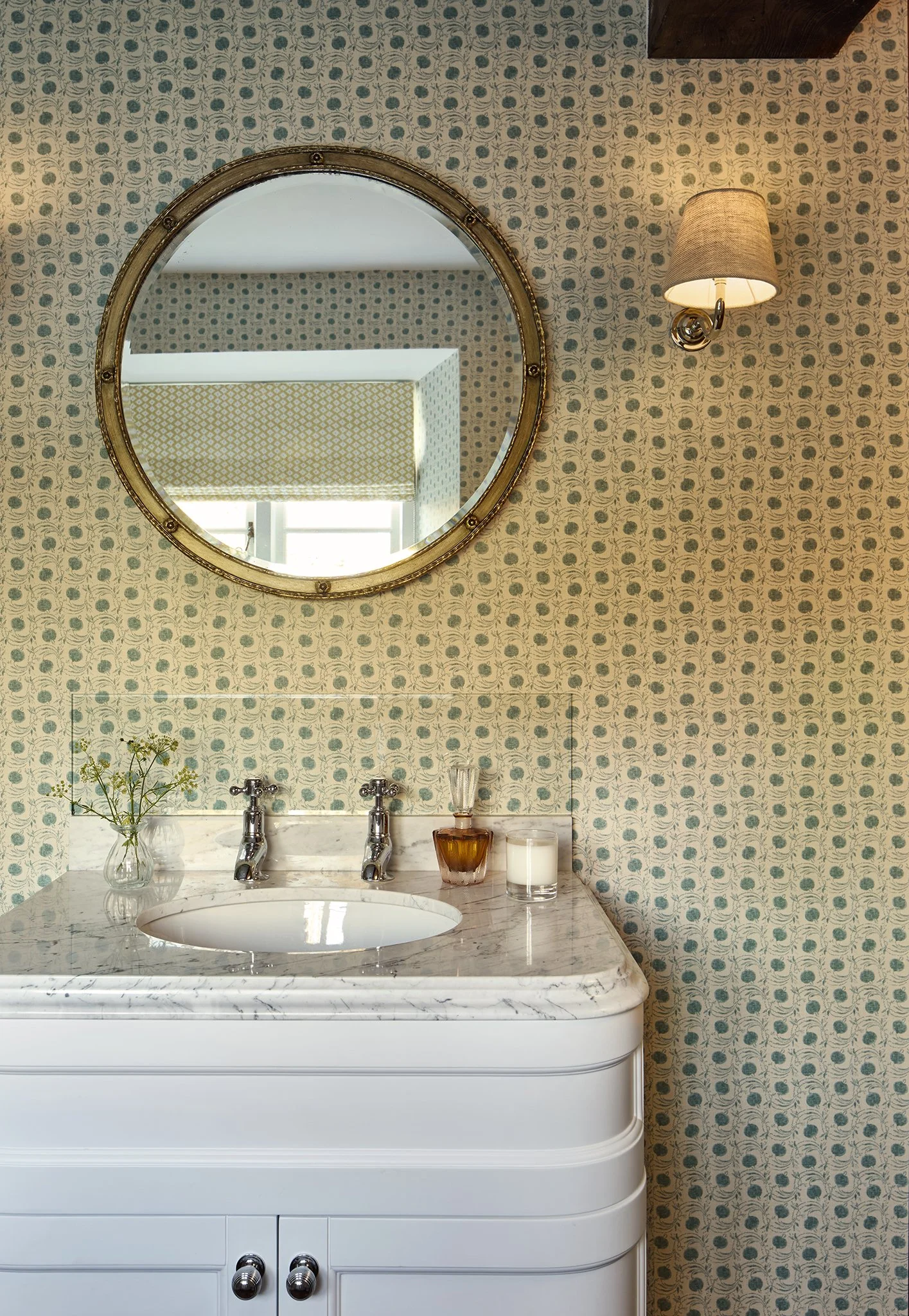
Bathroom design is a careful balance between aesthetics and practicality. It must perform effortlessly day to day, whilst also offering a calm, restorative pause at either end of it.
In any period home the challenges deepen; uneven floors and walls, historic detailing and complex plumbing all require thoughtful resolution. Aesthetically, the space should sit comfortably within the character of the house while reflecting your own personal style.
When designed well, a new bathroom not only functions beautifully but feels resolved, as though it has always belonged — a seamless part of your home.
Here is what I prioritise when designing contemporary bathrooms in period and country homes.
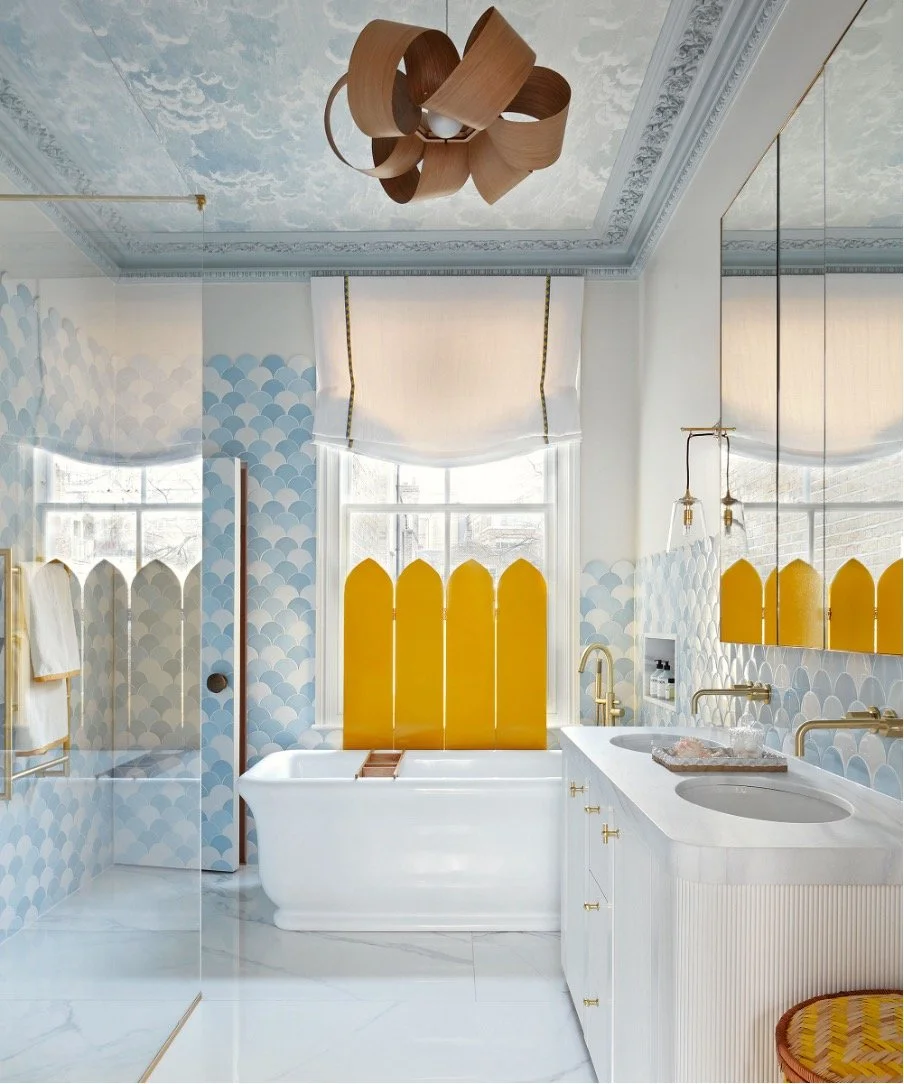
Alexander James / Studio Peake
Begin with how the space will be used
Always start with how and when is the space going to be used, then the layout will follow. Is this the main family bathroom, where mornings are busy and storage is essential? In that case, a double vanity offers would offer practicality and a sense of quiet order.
Or is it a more private retreat — somewhere to unwind at the end of the day? Then the proportions of the bath, the depth of water, and the feeling of enclosure may take priority. When you understand the rhythm of daily life, the layout follows naturally supporting how you truly live.
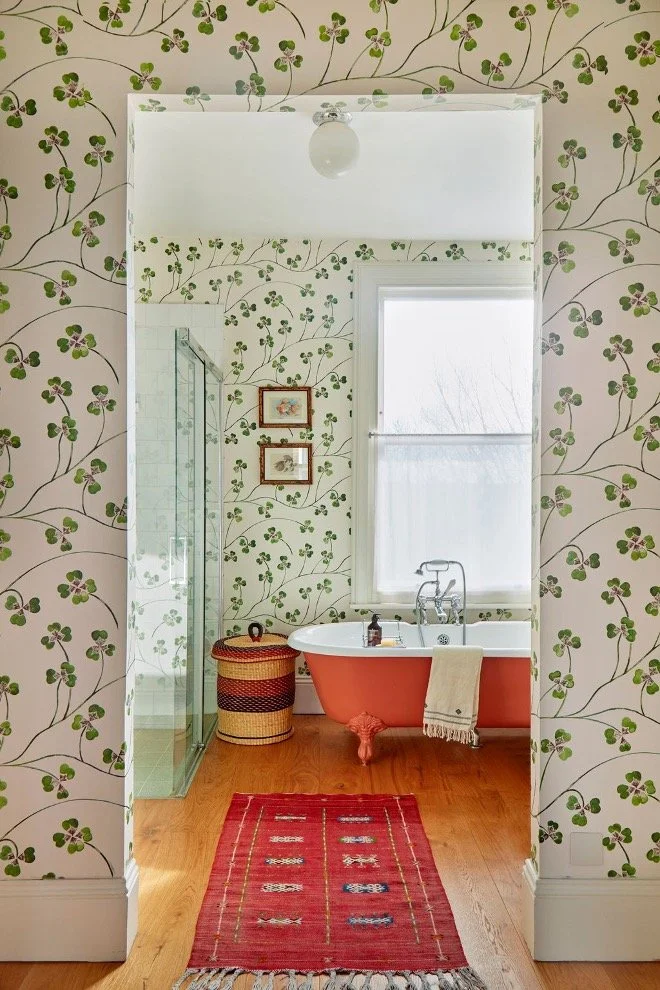
Sophie Garland
2. Layout: Working With the Architecture
Designing a bathroom in an older property often comes with spatial constraints. Thick, uneven stone walls, wonky floors and protected architectural details that can limit what can be moved.
Rather than fighting these features, lean into them, don’t try and strip away all the character. Consider freestanding pieces which allow the room to breathe, whilst also respecting the integrity of the building. A beautifully proportioned freestanding bath, such as this one can sit elegantly while becoming a focal point.
In smaller bathrooms, especially those common in country cottages, Victorian terraces and farmhouses, visual flow is everything. The further the eye can travel, the larger the room will feel.
In a recent shower room project in a Cotswold farmhouse, I used a clear glass screen rather than a framed enclosure. This maintained an uninterrupted sightline from the doorway, with the eye naturally drawn through the space by an interesting, tiled feature wall at the rear. The result was a room that felt calm, cohesive and considerably more generous in scale than its footprint suggested.
Circulation is carefully considered so the space feels generous, regardless of size. I allow a minimum of 70cm between sanitary ware to ensure ease of movement, and for showers I favour generous proportions — approximately 1.5m x 1.2m — creating a sense of indulgence without sacrificing warmth.
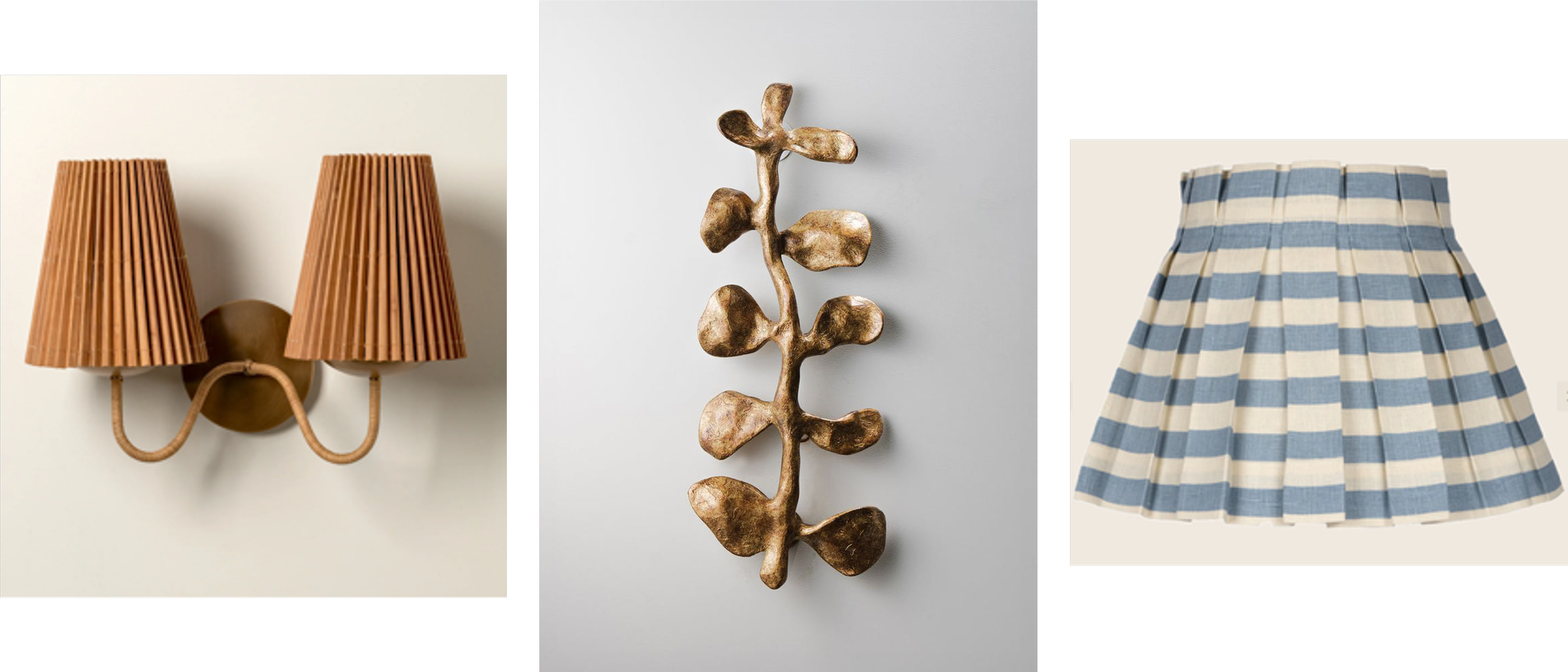
Textural wall lights
3. Lighting: Atmosphere is everything
Lighting has the power to transform a bathroom from functional to exceptional. Natural light should always prioritised then artificial lighting should then be layered in with intention. A good bathroom lighting scheme should include:
· Ambient lighting for everyday use (usually ceiling spots)
· Task lighting around the mirror so you’re not applying make-up in shadows
· Atmospheric lighting — wall lights or sconces that make the room feel warm in the evening
I’m drawn to fittings with shape and texture — ceramics, aged bronze, soft shades. Bathrooms can feel quite hard and reflective, so this layering softens things beautifully.
Everything must be properly IP rated, of course!
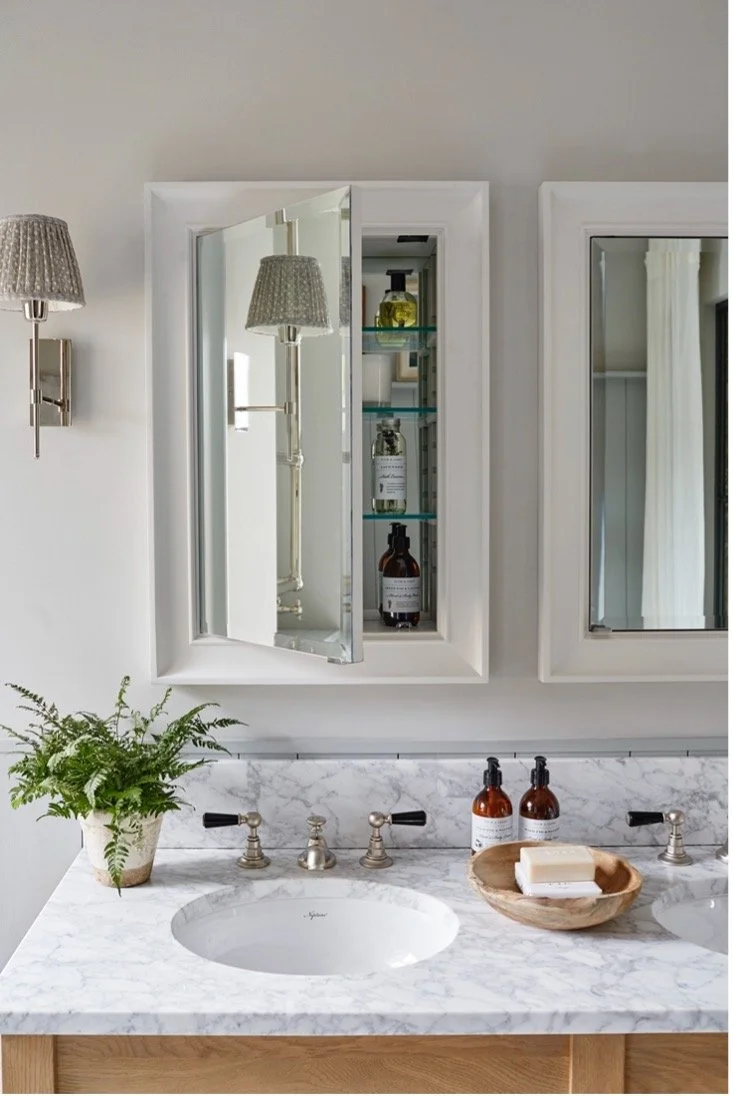
Wall mirror cabinet
4. Storage, the foundation for calm
In bathroom design true luxury often lies in what you do not see. If surfaces are cluttered, even the most beautiful space may feel chaotic.
Generous, well-designed storage ensures surfaces remain clear and intentional. Deep vanity drawers, concealed cupboards for towels and thoughtfully integrated cabinetry create a sense of calm. This recessed wall mirror by Neptune is perfect for products you use everyday.
Within showers, I insert recessed tiled niches early into the design for everyday essentials. This type of detail then feels architecturally integrated, rather than say a metal tray added as an afterthought.
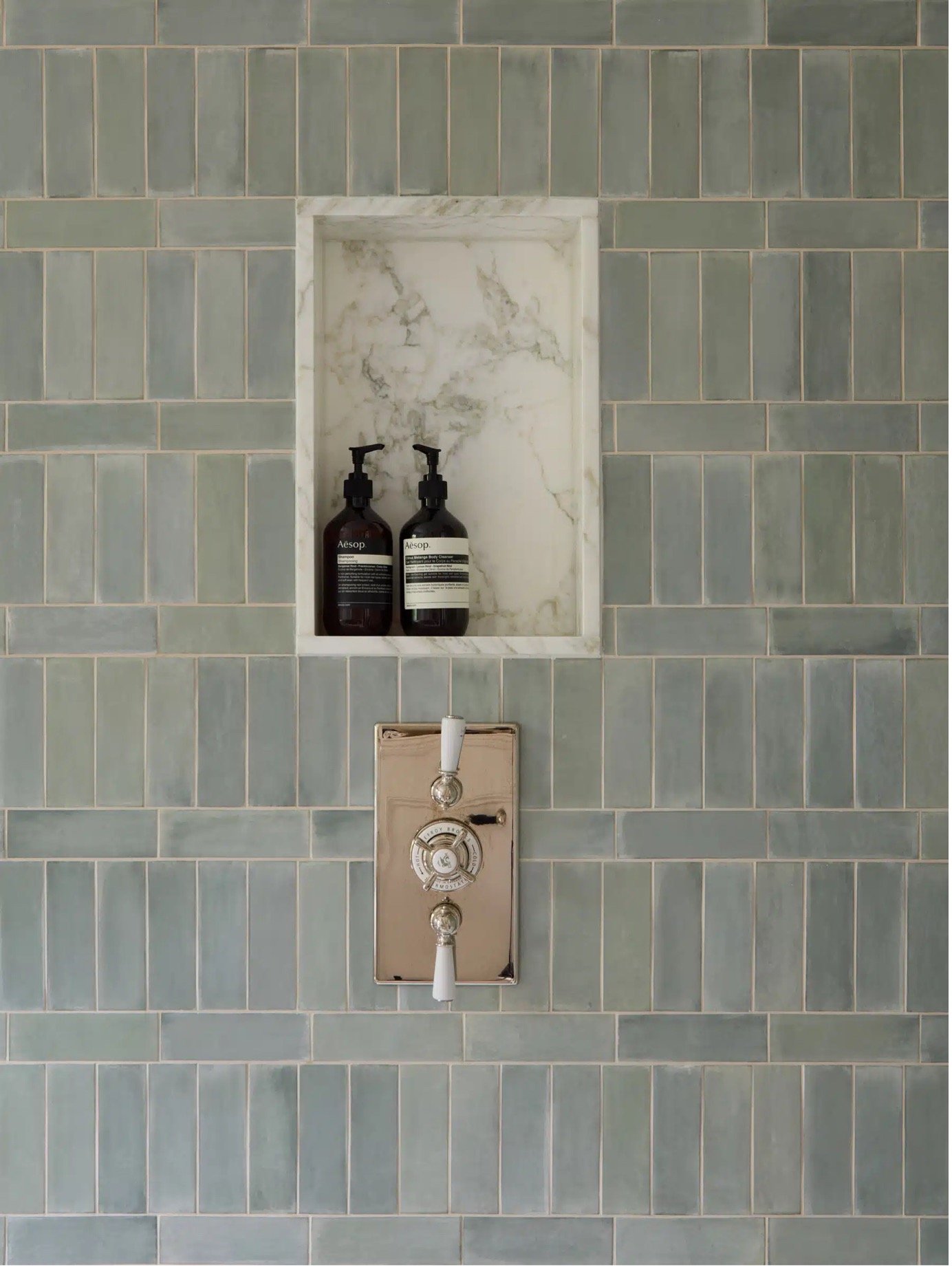
Anna Haines
5. Softening the architecture, choosing sanitary-ware in period bathrooms
Bathrooms contain many hard materials — porcelain, glass, metal and stone. To create softness, I introduce subconscious design cues in the form of curves: rounded vanity corners, baths, gently arched mirrors or niches and subtly curved showers.
6. Heating: Comfort without compromise
Underfloor heating provides a consistent, enveloping warmth beneath stone or porcelain — particularly welcome in older homes.
Traditional-style radiators and heated towel rails also work beautifully in period settings. Where towel rails are specified, I ensure they are on a separate circuit so they can be used independently during warmer months — a small detail that makes a significant difference.
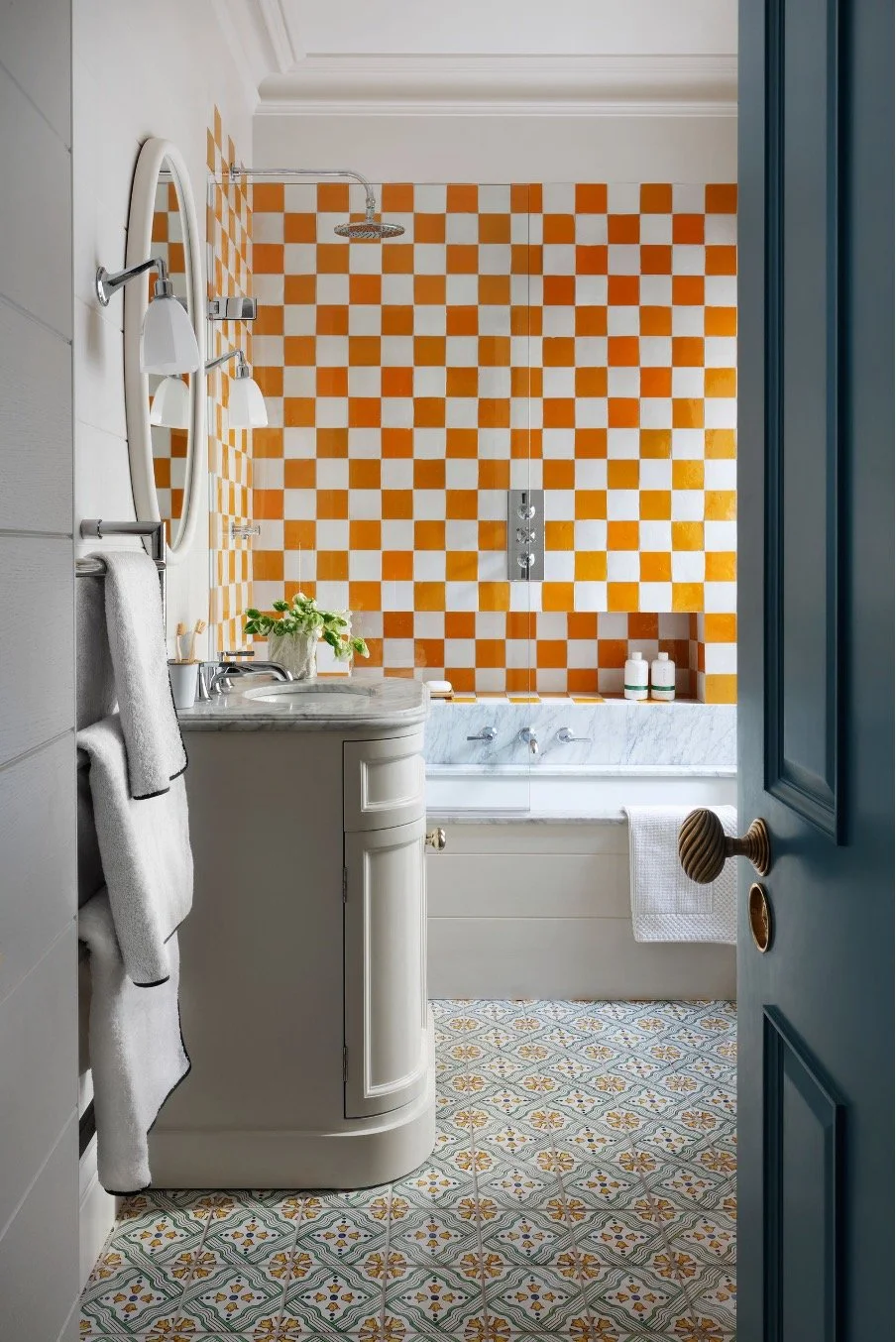
Alexander James
7. Flooring for period bathrooms: Practical, enduring, elegant
Bathroom flooring must balance durability with aesthetics. In a period home work is often required to make the subfloor flat and rigid before most types of flooring. Whilst porcelain and marble are robust and low maintenance, consider also wood effect porcelain. It offers the warm, textural look of timber without the movement issues that steam and heat can cause.
Luxury vinyl such as Amtico or Karndean provide both comfort underfoot and versatility, particularly suited to family bathrooms. In a small space a patterned tile can anchor the entire scheme or provide a way of introducing colour and pattern without overwhelming the space.
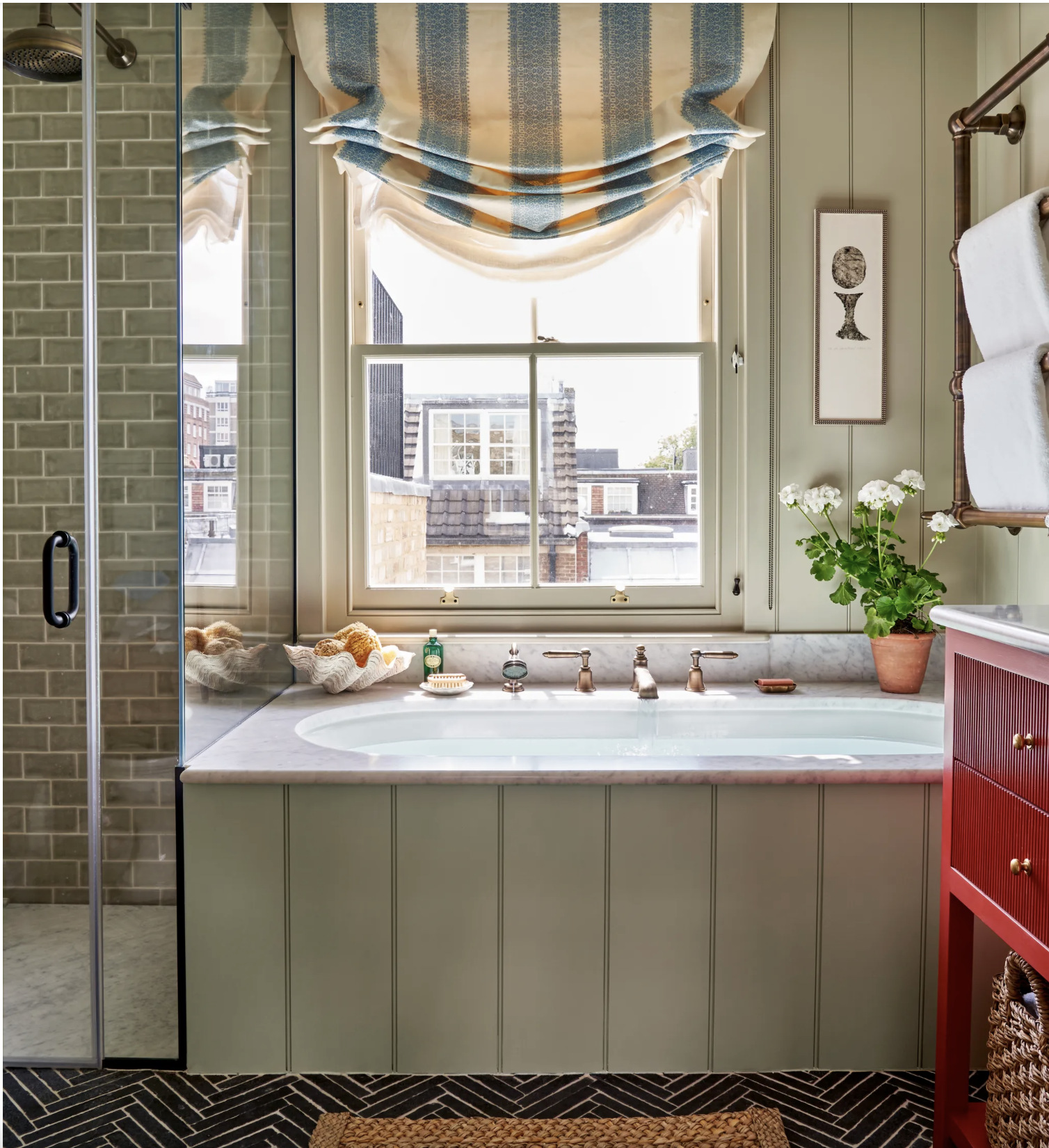
Milo Brown
Styling a period bathroom - The finishing touch!
A bathroom should feel like a seamless continuation of the home and showcase your style. Styling layers in depth and individuality. I use soft window treatments, oil paintings, candles, antique mirrors, personal mementoes, soft occasional seating and carefully placed greenery. These final touches elevate a bathroom beyond being a purely practical space into one that I want to linger and relax in.
I offer bathroom design as part of my FULL DESIGN SERVICE offering. If you are inspired to start a conversation around your bathroom project, get in touch!
I would love to talk
Bathroom FAQ
What bathroom style should I go for in my period home?
Consider the period of your home and then also your personal style. Take your initial design cues from the period of the house, that could be in the style of the hardware or the shape of the vanity unit or mirrors. It doesn’t need to be a pastiche, just a gently nod. Then layer in your personal style so that it feels cohesive with the rest of your home.
What common bathroom design mistakes should I avoid?
The most common mistakes are making the space cold and clinical through poorly considered stark, (often white!) hard surface choices and harsh lighting schemes. This can be addressed by layering in surface materials with warmth and texture, handmade tiles, stone, tongue and groove wooden panelling and wallpaper. Lighting like in any room in the house should be layered, both practical and atmospheric.
Are there specific finishes that work best in heritage properties?
Anything with a natural texture or with patina is a good place to start, matte stone, bronze, hand-made tiles and linen. Then layer in colour and additional pattern as required. There are many great options today, meaning you can balance making your home feeling modern whilst also respecting its period and setting.